
Applying the “Oklahoma Standard” to highway infrastructure means transforming our state’s core values of Service, Honor, and Kindness into highway infrastructure that protects our citizens.
First, applying the Oklahoma Standard means that we need to hold ourselves to a high standard of conduct. We need to apply service, honor and kindness to the dialogue about OTA, turnpikes, and transportation. That means PikeOffOTA needs to be respectful, professional, and kind in their communications. They should not bully public officials, mislead the public, file frivolous lawsuits, or incite violence.
Recent data highlights how urgent the transportation crisis is in Oklahoma. A report by the national transportation research nonprofit TRIP confirms that Oklahoma ranks 10th in the nation for traffic fatality rates, with an average of nearly two people killed on our roads every single day. Oklahoma’s fatality rate sits at 1.35 deaths per 100 million vehicle miles traveled, which is significantly higher than the national average of 1.10.
The Oklahoma Standard was born out of an overwhelming community drive to shield, support, and serve neighbors during times of tragedy. Applying that exact same mindset to highways can save lives and reduce traffic congestion in two key phases:
1. Actively Modernizing Hazardous Roadways (Service & Kindness)
The standard traffic safety fixes outlined by transportation experts map perfectly onto our culture of community care. Incorporating modern engineering principles directly counters the conditions that cause fatal crashes:
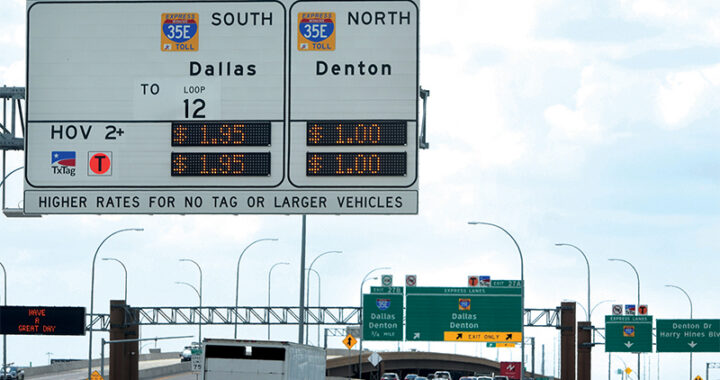
- Creation of Alternate Routes And Managed Lanes: New turnpike routes creating a loop around Oklahoma City provide options reducing congestion on existing highways. Managed lanes would allow adding lanes to existing congested highways. For example, Texas is building 6 lanes up to the Oklahoma border. We could create tolled managed lanes on I35 to add more lanes now faster than ODOT and the legislature can fund the expansion.
- Separating Local and Highway Traffic: Building dedicated routes like the East-West Connector removes heavy, fast-moving regional transit and freight trucks from narrow city streets. This significantly reduces bumper-to-bumper local congestion and prevents high-speed t-bone or head-on collisions.
- Adding Shoulders and Recovery Zones: A substantial portion of Oklahoma’s fatal accidents happen on rural or semi-rural two-lane roads that lack paved shoulders. Expanding these roads gives distracted or veering drivers a safe zone to recover control rather than flipping or crashing into obstacles.
- Proven Structural Countermeasures: Installing rumble strips, clear reflective lane markings, and dedicated turn lanes are simple, structural acts of prevention that keep drivers alert and separated from oncoming traffic.
2. Overcoming Congestion to Protect First Responders (Honor)
The Oklahoma Standard is deeply rooted in honoring the first responders, construction crews, and highway patrol officers who put their lives on the line. Over the last few years, highway work zone crashes alone resulted in 117 traffic fatalities in Oklahoma.
- Relieving Gridlock for Emergency Services: Gridlocked, outdated roads prevent ambulances and fire trucks from reaching critical accidents quickly. Properly planned turnpikes and modern interchanges create alternative pathways, allowing emergency vehicles to bypass bottlenecks and save lives during the “golden hour” after a severe crash.
- Creating Safer Work Environments: Building comprehensive, high-capacity infrastructure reduces the chaotic stop-and-go conditions that cause catastrophic rear-end pileups in active construction zones and areas with heavy commuter traffic.
Instead of waiting for a tragedy to happen and then responding with resilience, utilizing the Oklahoma Standard in infrastructure means building roads that prevent the tragedy from happening in the first place.